Photography · 13 September 2026
Kirsty Fairweather Photography
A single image can carry a surprising amount of information beyond what the eye sees. The metadata attached to a photograph records the decisions made at the moment of capture, and reading it offers a useful way to under
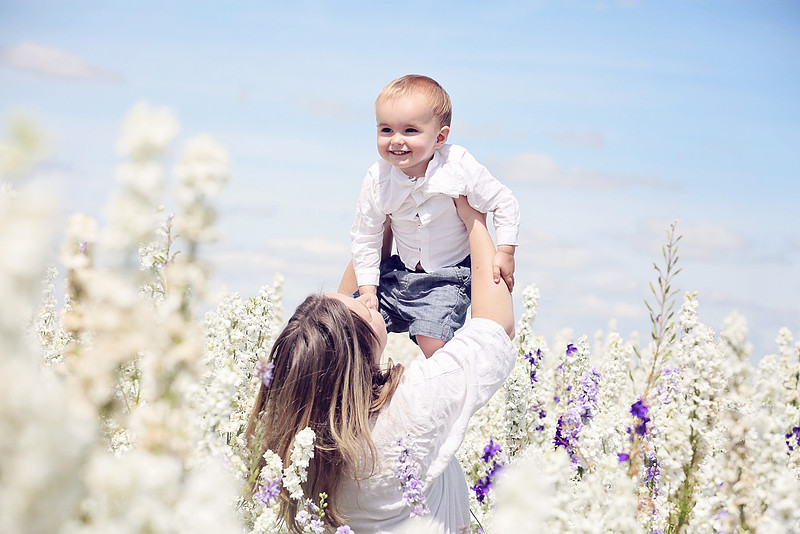
Understanding the technical side of a photograph
A single image can carry a surprising amount of information beyond what the eye sees. The metadata attached to a photograph records the decisions made at the moment of capture, and reading it offers a useful way to understand how a particular result was achieved.
Camera and lens
The photograph was taken with a Canon EOS 5D Mark III, a full-frame digital SLR that has been a mainstay for portrait and event work. The lens was set to a focal length of 102 mm, a short telephoto range that compresses perspective slightly and is often favoured for flattering portraiture. The maximum aperture available on the lens was f/2.8, giving plenty of scope for shallow depth of field had the photographer chosen to use it.
Exposure settings
The exposure was made at 1/2500 of a second at f/5.6, with an ISO speed of 250. The fast shutter speed suggests either bright conditions or a deliberate choice to freeze movement. At f/5.6, the aperture sits in the middle of the range, balancing sharpness with a moderate depth of field. The exposure mode was aperture priority, with an exposure bias of 0 EV, meaning the photographer selected the aperture and let the camera determine the corresponding shutter speed without adjusting the overall brightness.
Other details
The flash was not fired, though the camera was set to compulsory flash mode. Metering was set to pattern mode, which reads light across the entire frame rather than concentrating on a single point. The resulting file is a JPEG measuring 5760 by 3840 pixels, with a file size of 8.66 MB, saved in the sRGB colour space. The image was last modified on 11 July 2022.
Why this matters
For anyone learning photography, this kind of data is a compact lesson. It shows how a set of ordinary-looking settings — a moderate aperture, a fast shutter, a low ISO — come together to produce a clean, well-exposed frame. It also illustrates the value of aperture priority for working quickly while retaining control over depth of field. Photographers reviewing their own work can compare their settings against results like these to refine their instincts over time.