Photography · 13 September 2026
Kirsty Fairweather Photography
Photographic work is as much about the decisions made behind the camera as the images themselves. A single frame can carry a surprising amount of technical information, and reading that data offers a useful way to unders
Photographic work is as much about the decisions made behind the camera as the images themselves. A single frame can carry a surprising amount of technical information, and reading that data offers a useful way to understand how a picture was made.
Reading the camera data
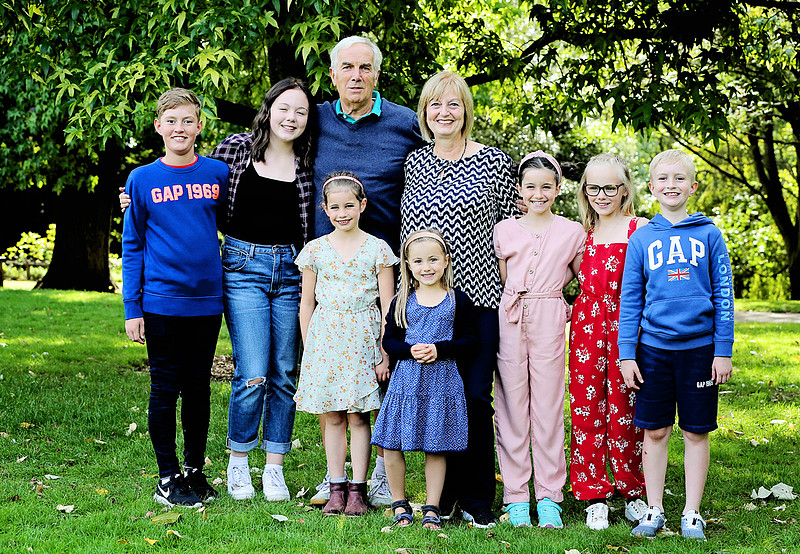
One photograph in the archive was captured on a Canon EOS 5D Mark III, a full-frame digital SLR that has long been a favourite among portrait and wedding photographers. The file measures 5328 by 3688 pixels, giving a total original size of 16.4 MB, and is stored as a JPEG in the sRGB colour space. The image was last modified on 15 September 2020.
What the settings reveal
The exposure was made at 1/250 of a second at f/5.6, with the lens set to a focal length of 70 mm. The maximum aperture available on the lens was f/2.8, so the photographer stopped down by two full stops — a common choice when greater depth of field or a sharper result is wanted.
The camera was set to aperture priority, meaning the photographer chose the f-stop and the camera selected the matching shutter speed. Sensitivity was set to ISO 400, and metering was handled in pattern mode, which reads light across the whole frame rather than from a single point.
Exposure bias sat at 0 EV, so no deliberate adjustment was applied to the camera’s suggested exposure. The flash was not fired, though it remained in compulsory mode, indicating a setting that would have triggered it had the conditions required it.
Why the details matter
These figures are not simply administrative metadata. Together they describe a considered approach: a moderate focal length, a balanced aperture, a shutter speed fast enough to avoid camera shake at that length, and an ISO that keeps noise low while retaining flexibility in available light. For anyone learning photography, studying the settings behind a finished image is one of the most practical ways to build an instinct for exposure.